


BITAS Singapore 2026 Recap: Architecting AI Transformation with Enterprise and Business Architecture


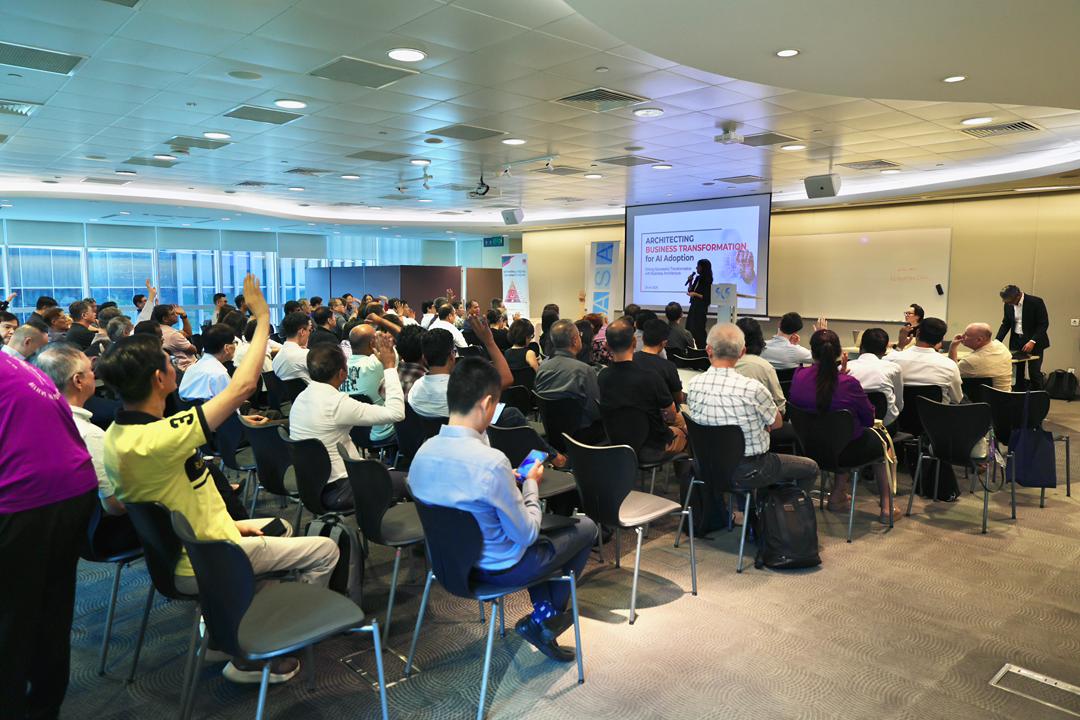
The Business IT Architecture Conference (BITAS) 2026, co-organised by Singapore Computer Society EA Chapter and IASA Asia Pacific, brought together over 150 enterprise architects, technology leaders, and business decision-makers to explore one key theme: How can organisations make AI transformation work at scale?
Across keynote sessions, panel discussions, and industry sharing, a clear message emerged: Enterprise Architecture is no longer optional. It is essential for driving AI transformation successfully.
In his keynote, Aaron Tan Dani, President of the SCS EA Chapter and Group Chief Architect of ATD Solution, highlighted a growing concern: Organisations are accelerating AI adoption without addressing foundational gaps.
Some of the most common challenges include:
These challenges explain why many AI initiatives struggle to scale beyond pilot stages.
Enterprise Architecture plays a critical role in addressing these issues by providing a structured approach to:
A key highlight of the conference was the session by Alecia Heng, Chief Business Architect of ATD Solution, where she shared her perspective on: Architecting Business Transformation for AI Adoption The session emphasised a critical shift in mindset:
AI transformation is not just about technology. It is about business transformation enabled by architecture.
Business Architecture plays a central role by aligning:
to ensure AI initiatives deliver real business value.
A Structured Approach to AI Transformation
During the session, Alecia introduced a practical Business Architecture approach to guide organisations in adopting AI effectively:
This structured approach demonstrates how organisations can move from AI experimentation to enterprise-wide transformation.
One of the strongest takeaways from BITAS 2026:
AI success depends on how well organisations integrate strategy, people, process, and technology.
Without a structured architecture approach:
With Enterprise and Business Architecture:
BITAS 2026 reinforced the importance of architecture as the backbone of modern transformation.
As organisations continue to navigate AI adoption, success will depend on their ability to:
For organisations looking to move beyond pilots and drive meaningful outcomes, the focus must shift:
From tools to structure. From experimentation to execution.
Assess Your AI Readiness Understand where your organisation stands in its AI transformation journey and identify your next steps.
👉 Take the AI Assessment
Across keynote sessions, panel discussions, and industry sharing, a clear message emerged: Enterprise Architecture is no longer optional. It is essential for driving AI transformation successfully.
Keynote Insight: Why AI Initiatives Fail Without Architecture
In his keynote, Aaron Tan Dani, President of the SCS EA Chapter and Group Chief Architect of ATD Solution, highlighted a growing concern: Organisations are accelerating AI adoption without addressing foundational gaps.
Some of the most common challenges include:
- Accumulated technical debt evolving into “AI debt”
- Poor data governance and fragmented systems
- Complex, disconnected architectures
- Lack of clear alignment between AI initiatives and business strategy
These challenges explain why many AI initiatives struggle to scale beyond pilot stages.
Enterprise Architecture plays a critical role in addressing these issues by providing a structured approach to:
- Align AI initiatives with business outcomes
- Govern transformation across portfolios and projects
- Enable scalable and sustainable implementation
ATD Solution’s Perspective: Business Architecture for AI Adoption
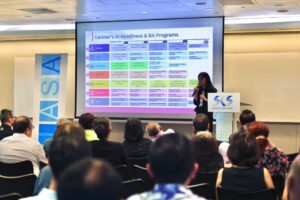
A key highlight of the conference was the session by Alecia Heng, Chief Business Architect of ATD Solution, where she shared her perspective on: Architecting Business Transformation for AI Adoption The session emphasised a critical shift in mindset:
AI transformation is not just about technology. It is about business transformation enabled by architecture.
Business Architecture plays a central role by aligning:
- Business strategy
- Capabilities
- Processes
- Organisational structure
to ensure AI initiatives deliver real business value.
A Structured Approach to AI Transformation
During the session, Alecia introduced a practical Business Architecture approach to guide organisations in adopting AI effectively:
- Define AI Vision and Goals Align AI initiatives with corporate strategy and transformation objectives.
- Enhance Customer Experience Identify opportunities through customer journey mapping.
- Develop Business Capabilities Assess and build the capabilities required to support AI.
- Streamline Business Operations Optimise processes to enable efficiency and integration.
- Transform Workforce Capabilities Equip teams with the right skills and roles for AI adoption.
- Develop AI Roadmap Prioritise use cases and define a clear implementation path.
This structured approach demonstrates how organisations can move from AI experimentation to enterprise-wide transformation.
From AI Hype to Business Value
One of the strongest takeaways from BITAS 2026:
AI success depends on how well organisations integrate strategy, people, process, and technology.
Without a structured architecture approach:
- AI remains fragmented
- Investments lack measurable outcomes
- Transformation efforts fail to scale
With Enterprise and Business Architecture:
- Organisations can align initiatives to business priorities
- Scale AI across functions
- Ensure governance, control, and sustainability
Final Thoughts
BITAS 2026 reinforced the importance of architecture as the backbone of modern transformation.
As organisations continue to navigate AI adoption, success will depend on their ability to:
- Build strong architectural foundations
- Align AI initiatives with business strategy
- Develop the right capabilities across the organisation
For organisations looking to move beyond pilots and drive meaningful outcomes, the focus must shift:
From tools to structure. From experimentation to execution.
Assess Your AI Readiness Understand where your organisation stands in its AI transformation journey and identify your next steps.
👉 Take the AI Assessment